
Zero-Emission Buildings: A New Standard for Building Performance
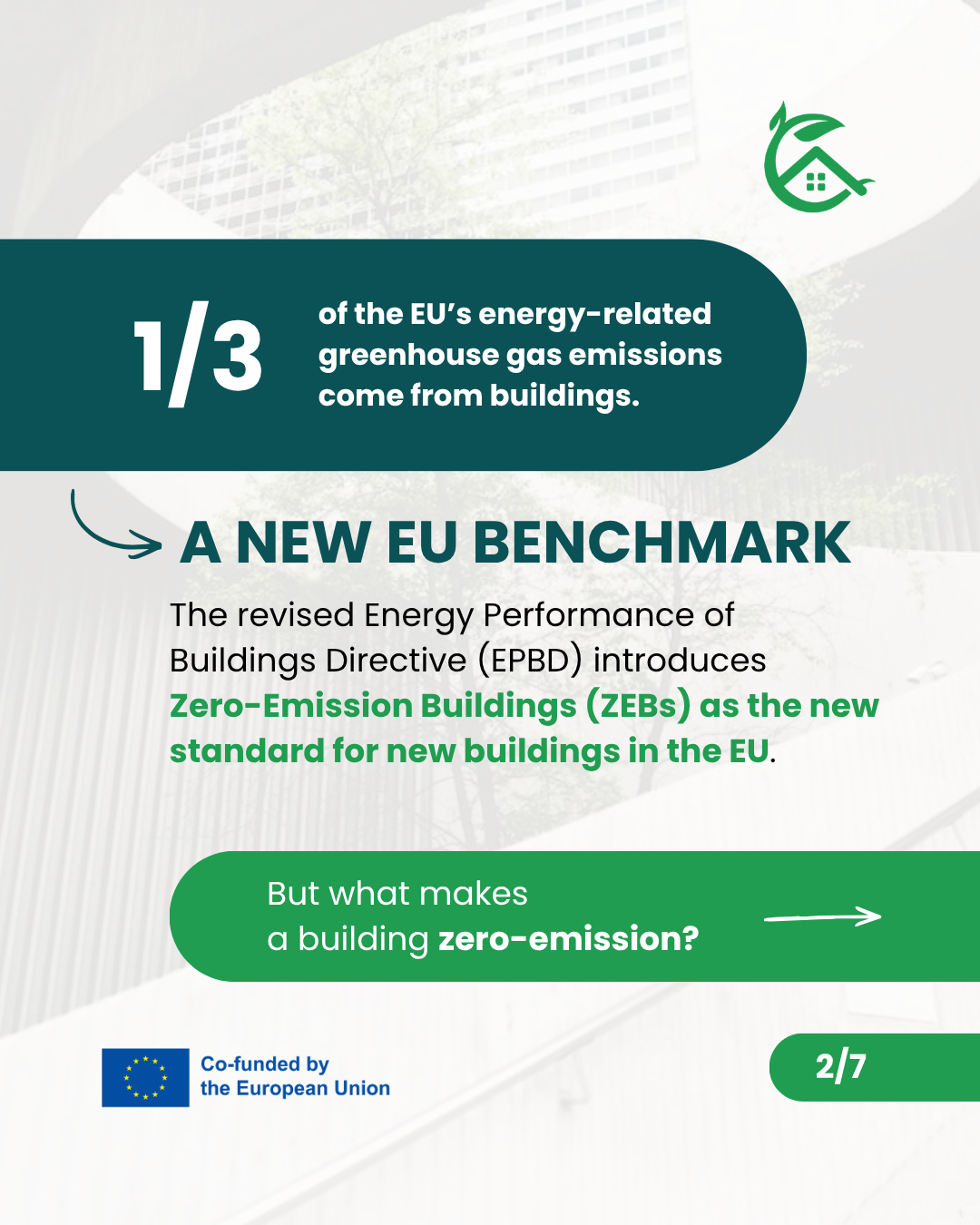
Buildings account for over 40% of energy consumption and around one third of energy-related greenhouse gas emissions in the EU, making decarbonising the building sector an important part of the transition to climate neutrality.
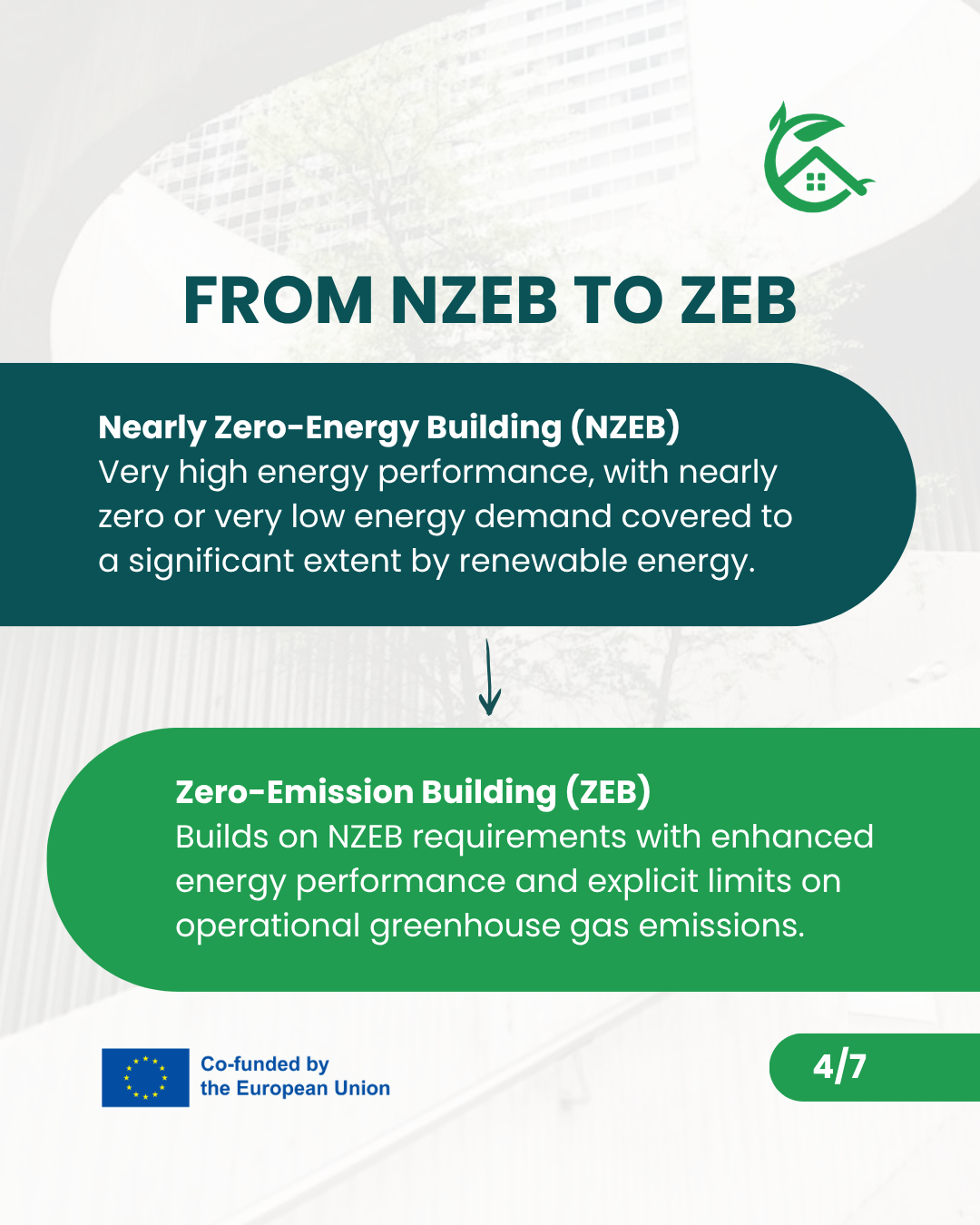
The Zero-Emission Building (ZEB) framework introduced by the recast Energy Performance of Buildings Directive (EPBD) establishes a common direction for this transition and will become the new performance standard for new buildings in the European Union.
What Defines a Zero-Emission Building?
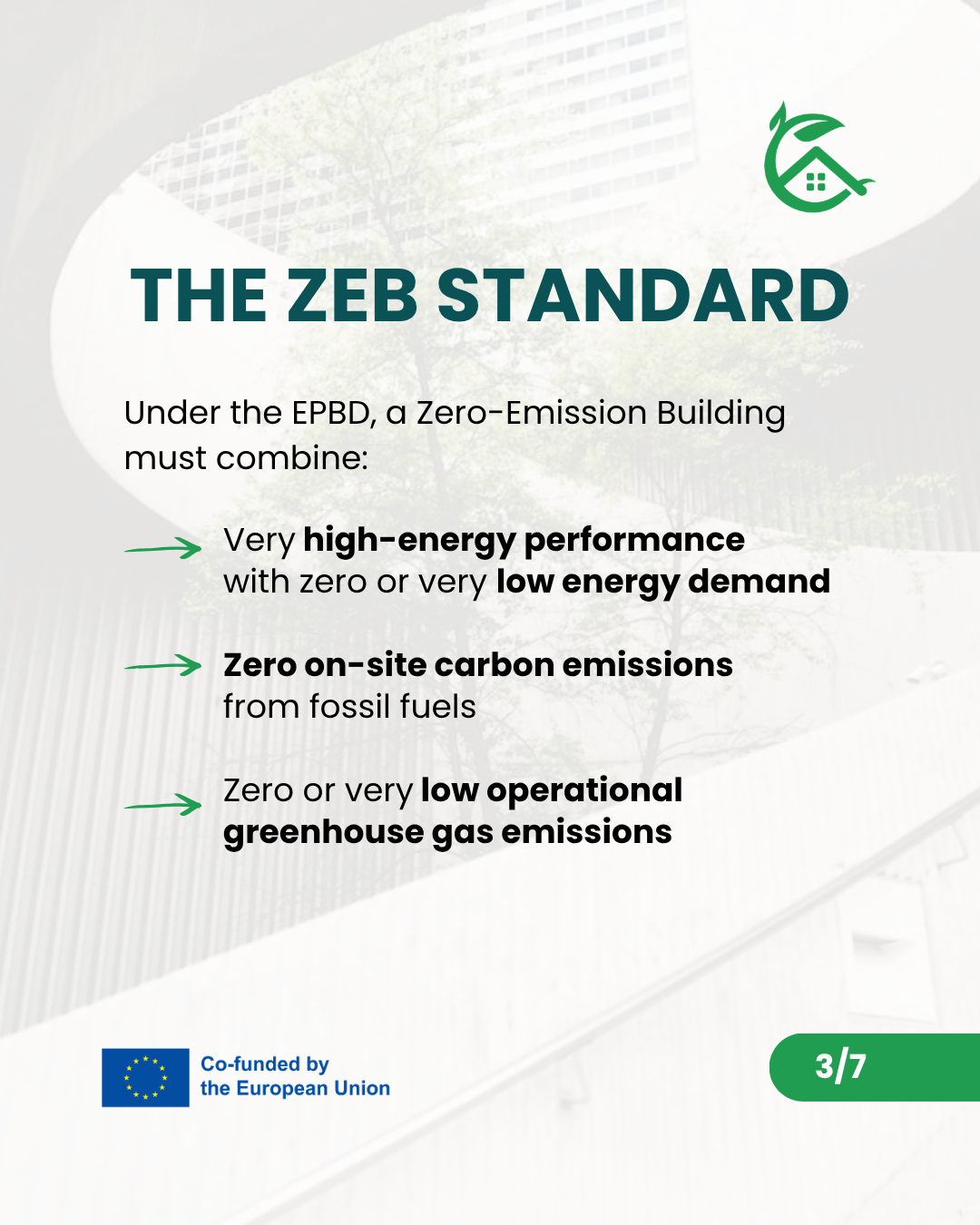
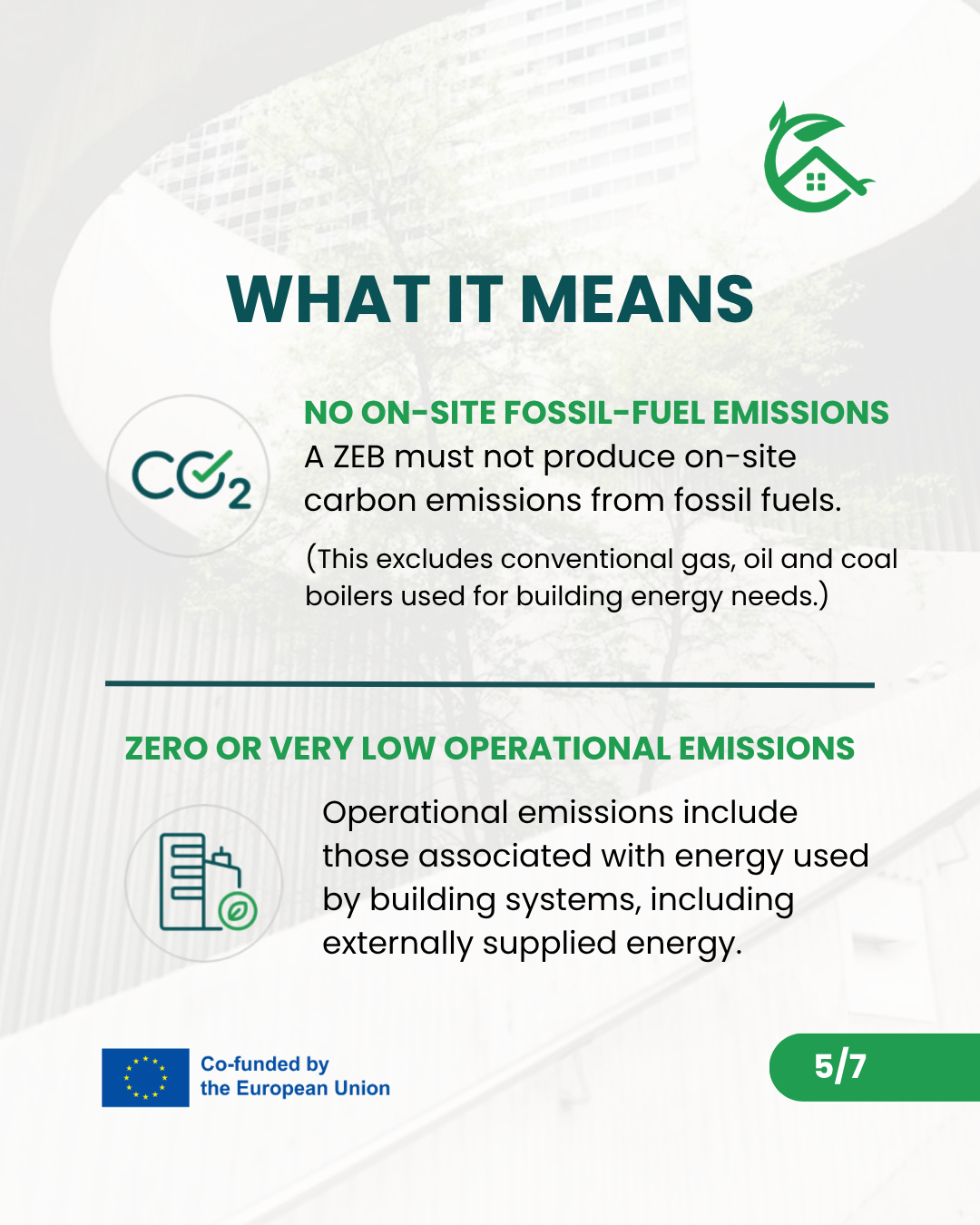
Under the EPBD, a Zero-Emission Building is characterised by very high energy performance, zero or very low energy needs, zero on-site carbon emissions from fossil fuels, and zero or very low operational greenhouse gas (GHG) emissions.
Energy Performance and Demand
The first priority is to minimise the energy required for building operation. This can be achieved through effective building design, high-performance envelopes and efficient technical systems, reducing energy needs for heating, cooling, ventilation and other building services.
The ZEB framework is performance-based rather than technology-prescriptive, allowing solutions to be adapted to different building types, climatic conditions and energy infrastructures.
Operational Emissions and Energy Supply
Beyond energy efficiency, the ZEB standard requires zero on-site carbon emissions from fossil fuels, meaning that buildings cannot rely on fossil fuel combustion, such as gas or oil boilers, for heating. At the same time, operational GHG emissions must also be zero or very low. This requirement also includes emissions associated with externally supplied energy, such as electricity and district heating.
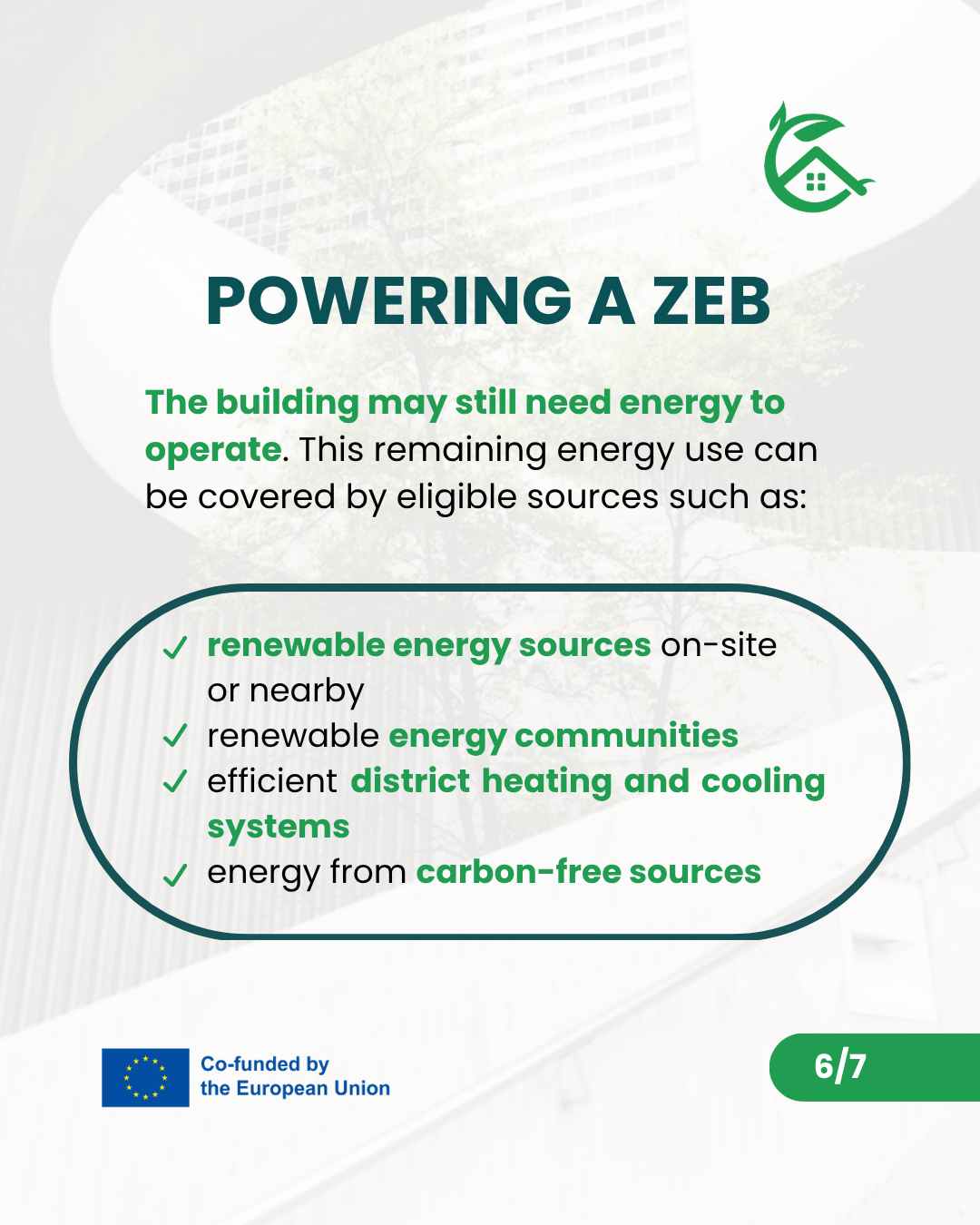
This does not mean that a ZEB needs to be fully energy self-sufficient. The remaining energy demand can be covered through eligible sources, including renewable energy generated on-site or nearby, renewable energy communities, efficient district heating and cooling systems, and carbon-free energy sources.
Advancing Zero-Emission Buildings through GreeNest
GreeNest contributes to the transition towards Zero-Emission Buildings by developing and integrating solutions that reduce building energy demand, improve operational energy performance, and lower greenhouse gas emissions.
These solutions are tested across four real and two virtual demonstrations, helping assess their performance and potential for wider application across Europe.